
How Much Can a Mini Excavator Lift Safely?
Mini excavator lifting capacity is not one fixed number. The permitted load changes with lifting radius, lift height, lifting direction, machine configuration and ground conditions. Buyers should use the load chart for the exact model and setup, not mini excavator weight, bucket digging force or a successful test lift, to plan object handling.
Why does lifting capacity change with reach and position?
A suspended load creates an overturning moment around the machine. As it moves farther from the swing centre, that moment increases, so allowable load usually decreases. Hydraulic capability may limit one chart position, while stability limits another. Lifting over the front, side or blade can produce different values when the manufacturer distinguishes those positions.
Machine mass matters, but mini excavator weight is not a lifting rating. It influences stability, transport planning and ground loading, while the approved capacity still depends on geometry and configuration. In the same way, excavator weight classes help buyers compare general machine sizes, but they cannot predict a safe suspended load at a specified radius.
How should buyers read an excavator load chart?
Start with the chart for the exact boom, excavator arm, undercarriage and counterweight. Find the required lifting radius and lift-point height, then use the stated lifting direction and blade or track position. Read every note because the chart may distinguish hydraulic limits from stability limits or require specific site conditions.
Next, account for the bucket, quick coupler, hook, slings and other lifting accessories as instructed by the manufacturer. Their mass can reduce the load available for the object itself. Mini excavator lifting capacity must therefore be checked at the intended position with the complete working configuration, rather than copied from a headline maximum measured elsewhere.
What information should buyers provide?
Define the object mass, required reach, pickup and placement heights, lifting direction, attachment arrangement and expected ground conditions. Ask for the applicable load chart, operating instructions and confirmation that the quoted machine is equipped and approved for object handling. Comparing quotations is meaningful only when suppliers evaluate the same position and setup.
Excavator weight classes can narrow a shortlist, but final selection should follow documented capacity and site constraints. Buyers should check transport limits, access width and ground-bearing conditions. A larger machine may offer more stability yet remain unsuitable for the site.
Which specifications cannot replace lifting documentation?
Bucket digging force describes excavation performance, not a permitted suspended load. Engine power, maximum digging depth and hydraulic pressure also answer different questions. Even mini excavator weight cannot confirm whether a machine may handle a particular object safely. Do not improvise lifting points, and do not treat an observed lift as proof of rated capacity.
Object handling requires trained personnel, rated accessories, an exclusion zone and a site plan. Keep people away from the lifting area and never below a suspended load. The machine manual and model-specific chart take priority.
Choose a LANDWARD excavator around the actual lift
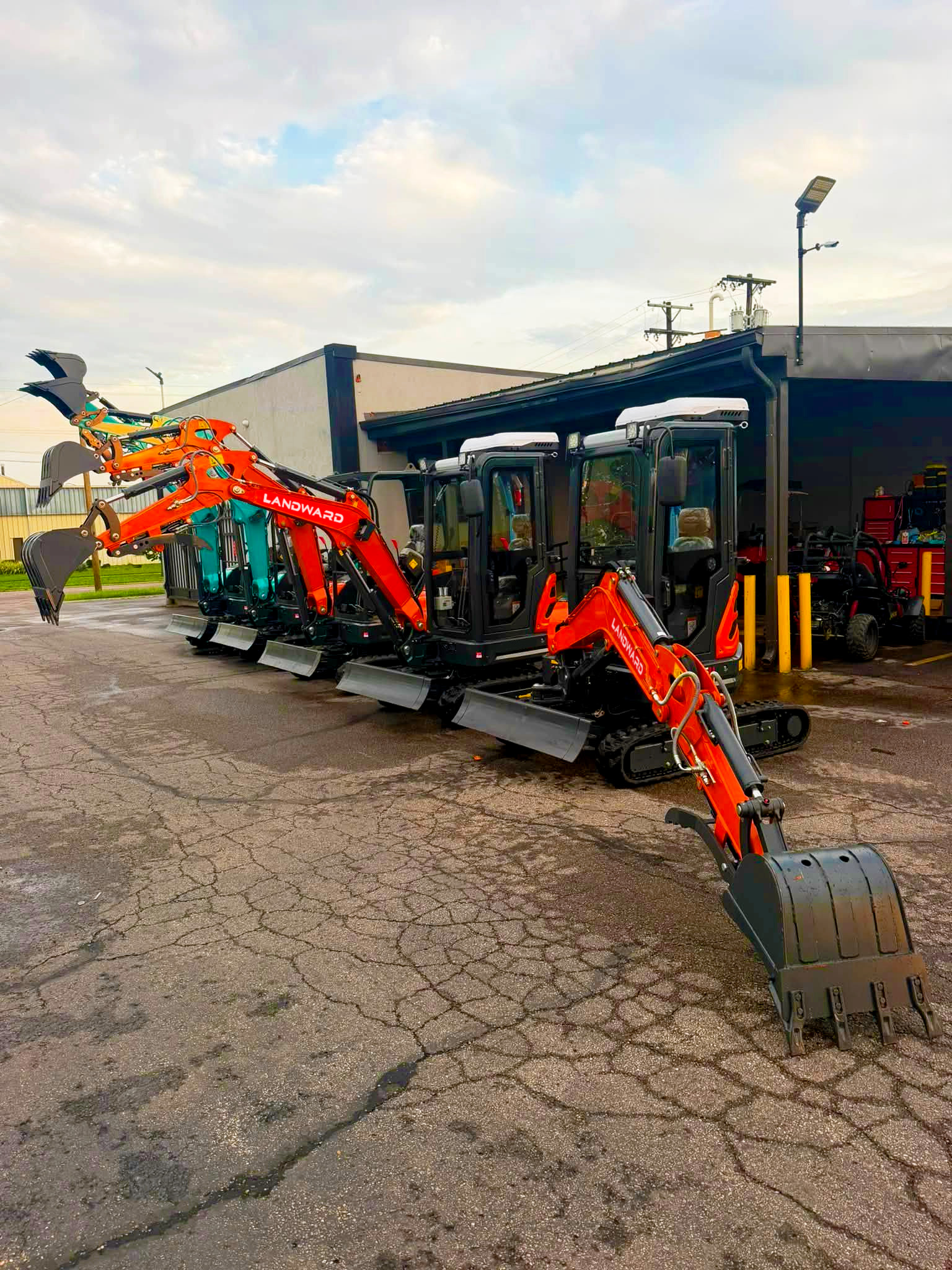
The correct machine is the one with documented capacity for the required load position and configuration. When evaluating LANDWARD equipment, provide the load, radius, height, lifting direction, accessories and site conditions. LANDWARD can then help identify a suitable model and the documentation that must be reviewed before purchase, rather than relying on excavator weight classes alone.