
Mini Excavator Price: What Buyers Should Compare Beyond the Quote
A mini excavator price is only meaningful when you know exactly what it includes. Two machines advertised in the same weight class may have different equipment, attachment packages, delivery arrangements, and support terms. For contractors and importers, the useful comparison is not simply the lowest invoice amount. It is the cost of obtaining a correctly specified excavator and keeping it ready for the intended work.
What equipment does the price include?
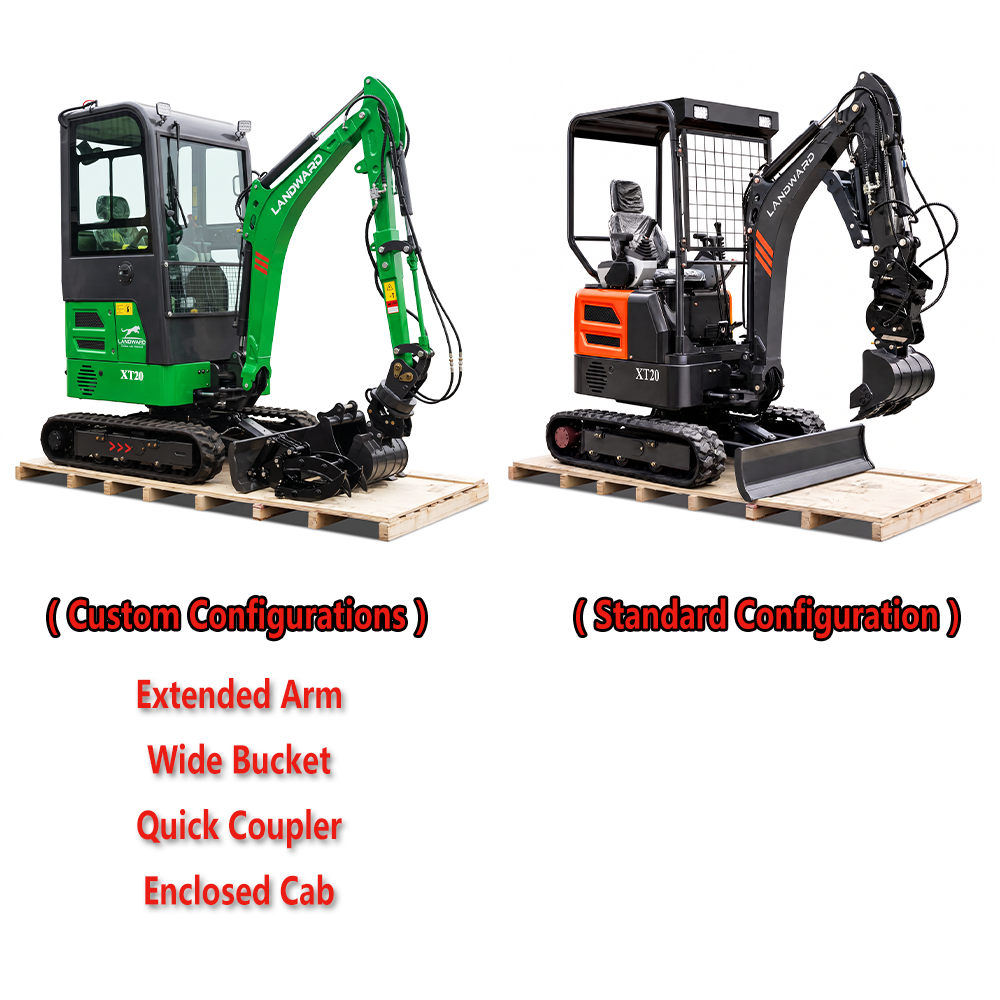
Start with a written configuration list. Confirm the model, engine specification, operator station, track arrangement, bucket, and auxiliary hydraulic equipment. Ask which items are standard and which are optional. A photograph showing several attachments does not establish that every attachment is included in the quoted package.
Match those items to actual tasks. A landscaping contractor who mainly digs drainage trenches may need a different package from a business handling concrete removal. Buying unnecessary equipment increases the initial bill; omitting an essential compatible tool can create additional purchasing and delivery work later.
Which delivery costs require separate confirmation?
Ask the seller to identify the delivery term and named location, then list the charges covered by the quotation. Depending on the agreement, freight, insurance, unloading, customs handling, duties, taxes, or onward transport may require separate budgeting. Check the applicable arrangements with the freight provider and a qualified local adviser.
Record the currency, quotation validity, payment stages, and estimated dispatch arrangements. Compare offers using the same destination and delivery scope. A lower factory quotation and a higher delivered quotation cannot be compared fairly until their included services and remaining costs are separated. For fair budgeting, distinguish confirmed charges from estimates requiring later confirmation.
How should buyers assess ownership costs?
Excavator cost continues after delivery. Build an operating budget around expected working hours, fuel, scheduled servicing, wear items, transport between sites, and potential downtime. Use the selected machine’s maintenance instructions and supplier information rather than assuming every excavator has identical service requirements.
Consider how the machine will earn its place in the business. For a contractor moving between residential properties, access and transport suitability may matter more than additional capacity. For repeated excavation on one site, workload suitability deserves greater attention. Neither purchase price nor engine output alone establishes the better investment.
What makes a quotation comparable?
Send suppliers the same brief: principal tasks, ground conditions, access restrictions, required digging depth, attachments, destination, and expected usage. Request an itemized response with exclusions clearly identified. This creates a useful comparison even when suppliers propose different configurations.
Also request the applicable warranty terms and parts support process. Clarify responsibility for diagnosis, replacement components, labor, and shipping rather than treating a warranty period as a complete service promise. Keep the final configuration and agreed documents attached to the order record so purchasing and receiving teams use the same information.
Turn price comparisons into practical decisions
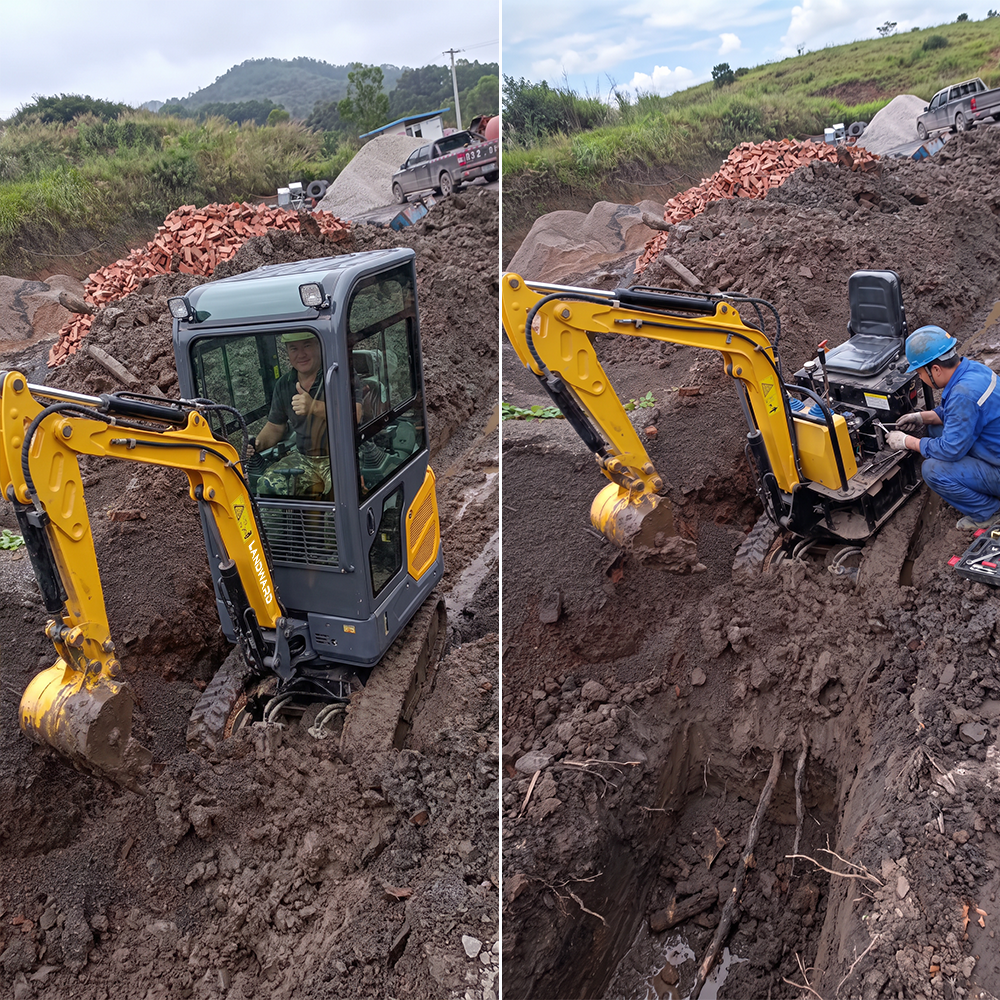
Compare the mini excavator price against a defined job and a clearly documented package. LANDWARD’s excavator range and model-dependent configuration options provide a starting point for that discussion. Share your application, attachment requirements, and destination with LANDWARD, then request confirmation of the selected specification and quotation scope. The objective is a suitable machine with understood costs, not simply an attractive headline number.