
EXCAVATOR ATTACHMENTS GUIDE: HOW TO SELECT THE RIGHT TOOL
Excavator attachments allow one machine to perform different tasks, but the correct tool must match both the application and the excavator. Buckets, breakers, augers, grapples, rippers, and quick couplers each place different loads on the hydraulic system and machine structure. The best attachment is therefore not just the right width or capacity; it must also suit the excavator’s weight class, hydraulic flow, pressure, mounting dimensions, and working environment.
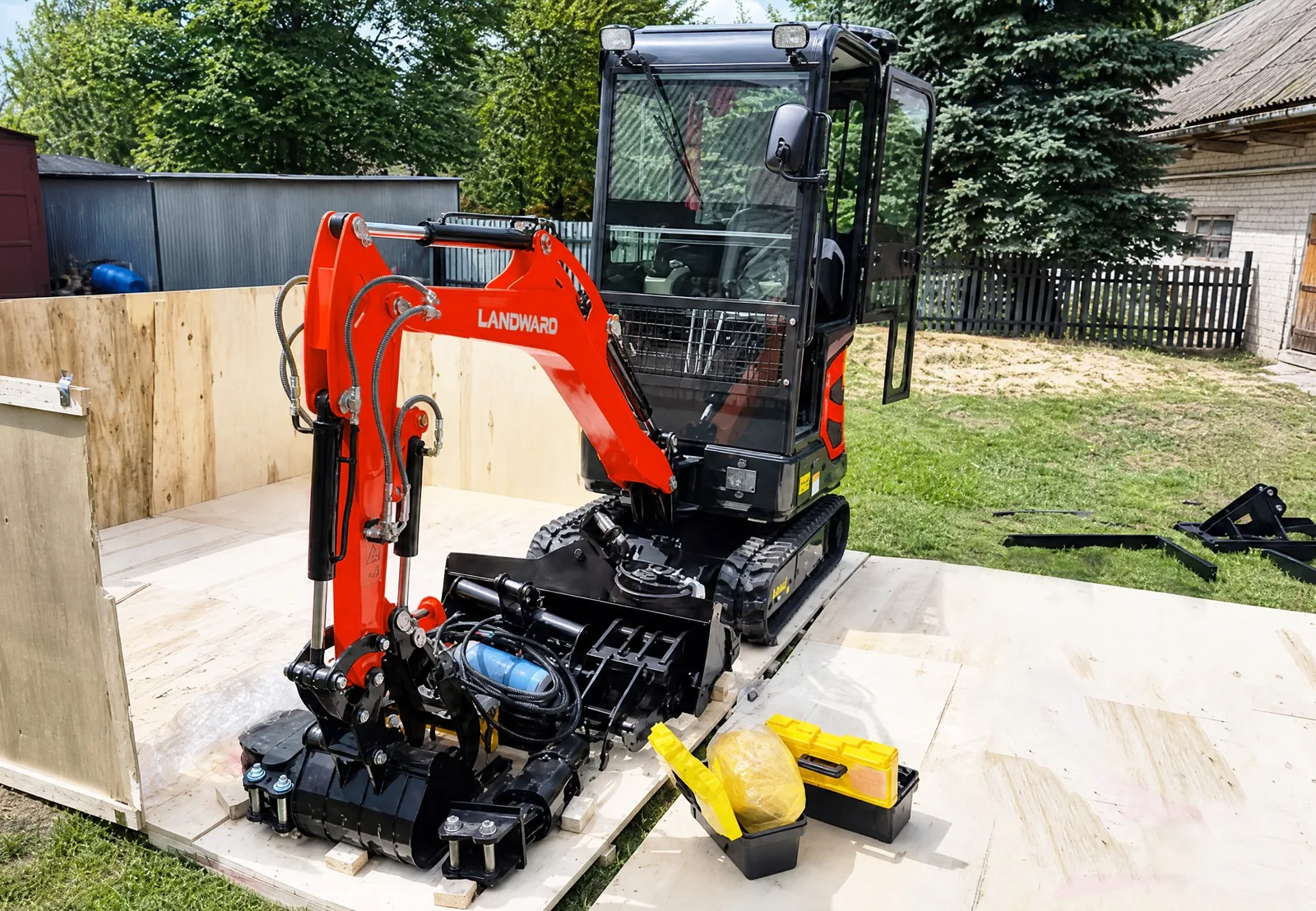
WHY ATTACHMENT SELECTION MATTERS
An attachment changes how an excavator works, how much load is placed on the boom and hydraulic system, and how the machine behaves on the jobsite. A tool may physically connect to the machine but still be unsuitable for its hydraulic capacity, weight class, balance, or intended application.
Buyers should evaluate the complete machine-and-tool combination rather than selecting an attachment by appearance, width, or bucket capacity alone.
WHAT ARE THE MOST COMMON EXCAVATOR ATTACHMENTS?
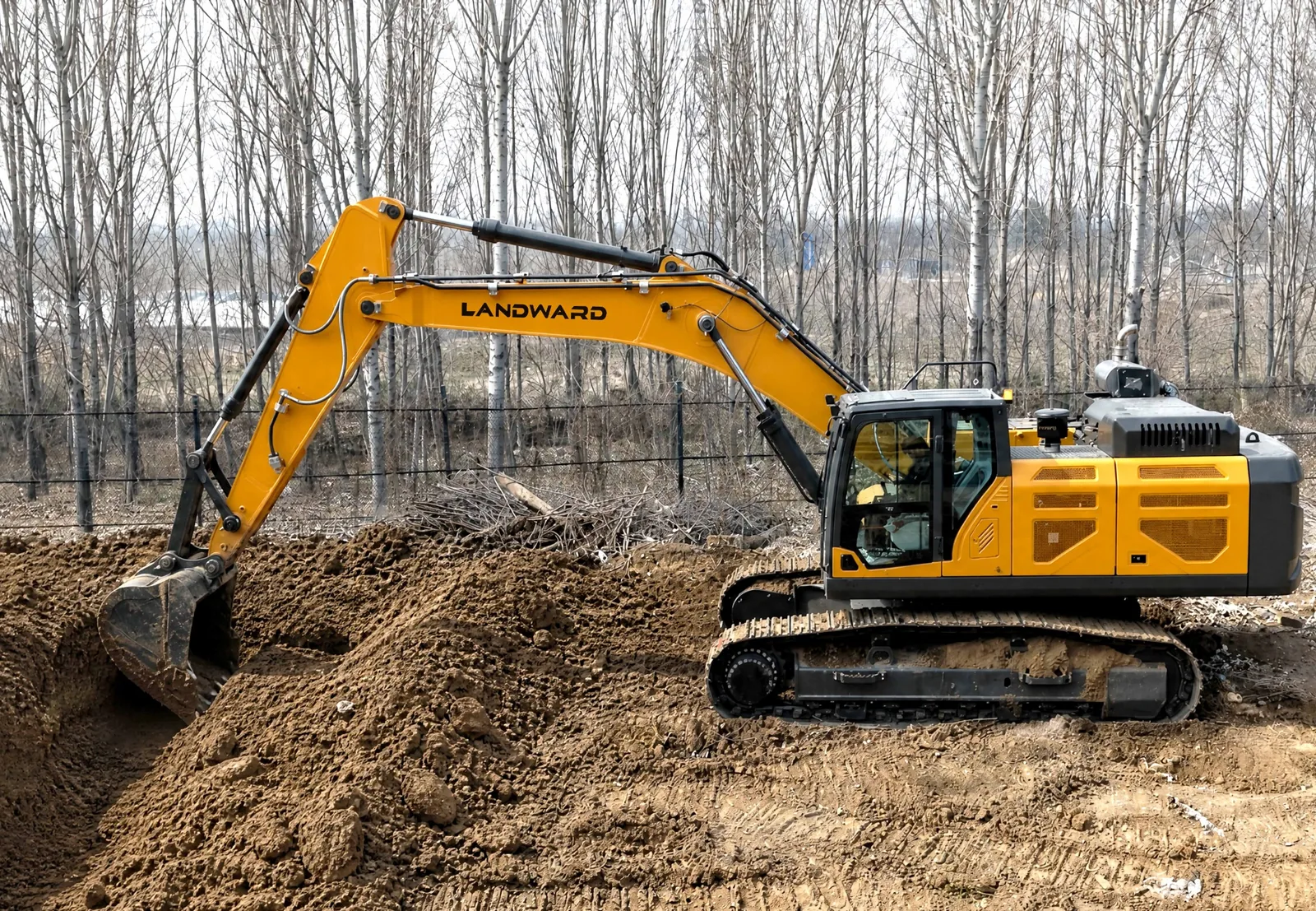
Buckets remain the most widely used tools. General-purpose buckets handle routine digging and loading, while narrow trenching buckets suit utility work and wider grading buckets support finishing and slope shaping. Tooth design, bucket width, and material capacity should match soil conditions and the excavator’s working range.
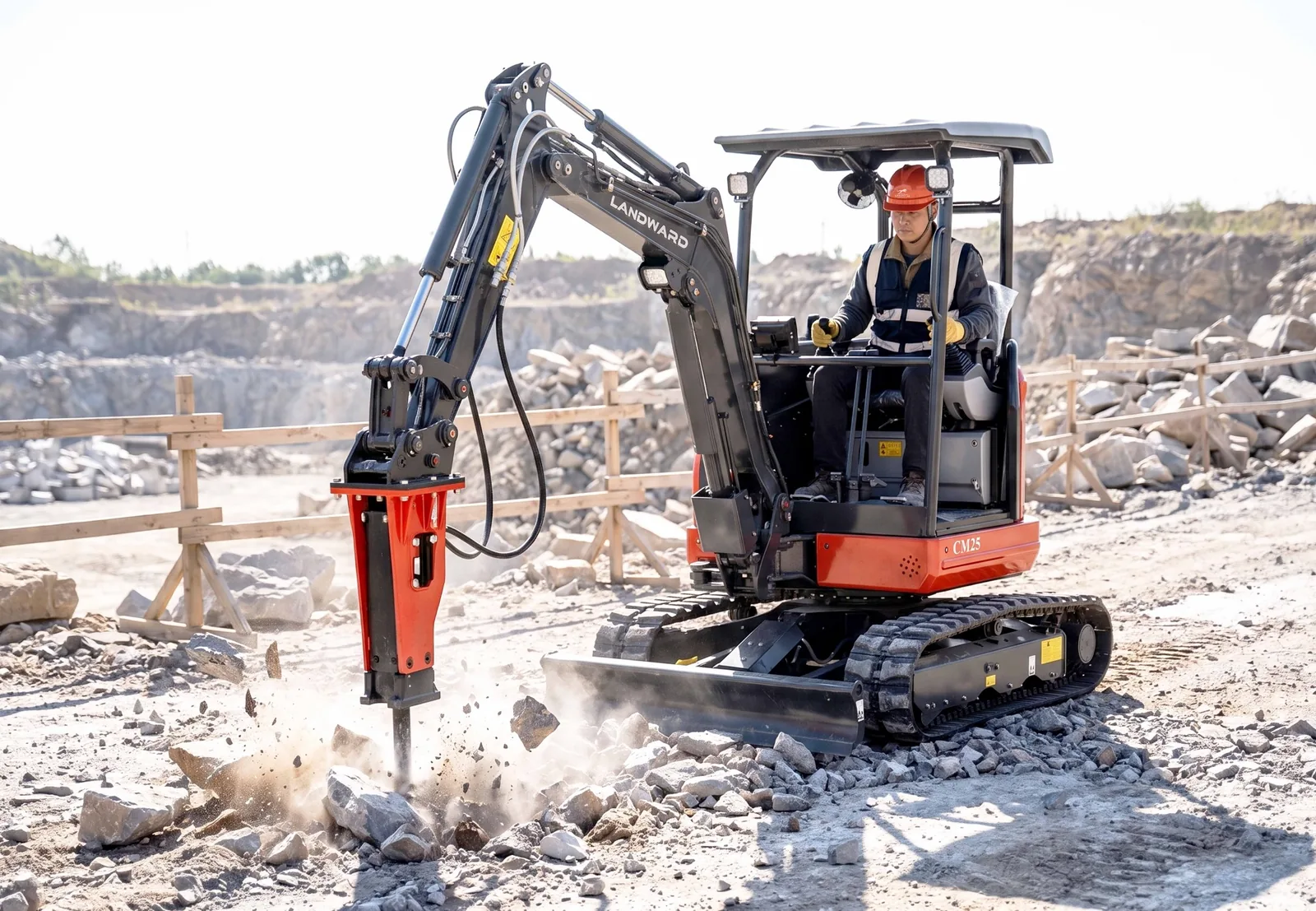
Hydraulic breakers are used for concrete, rock, and demolition work. Augers drill holes for posts, foundations, and planting. Grapples help handle logs, stones, scrap, or demolition material. Rippers concentrate force on hard ground or compacted material, while quick couplers reduce the time needed to change compatible tools.
HOW DO YOU CHECK ATTACHMENT COMPATIBILITY?
Start with the excavator manufacturer’s specifications. Confirm the recommended attachment weight, pin diameter, pin spacing, dipper-arm width, and coupler type. For hydraulic tools, compare the required oil flow and working pressure with the excavator’s auxiliary hydraulic circuit.
Machine balance is equally important. A heavy attachment changes the excavator’s center of gravity and may affect stability, lifting behavior, and control. Boom length, arm length, counterweight, undercarriage position, and working radius all influence how the machine handles a tool.
WHICH ATTACHMENT FITS THE JOB?
Define the material, task frequency, required finish, and jobsite restrictions. A contractor digging utilities may prioritize trenching buckets and a coupler. A landscaping business may need grading buckets, augers, and grapples.
Demolition or quarry-related work may require a breaker or ripper and a machine configured for demanding hydraulic use. Buyers should also plan hose routing, spare wear parts, storage, inspection, and maintenance.
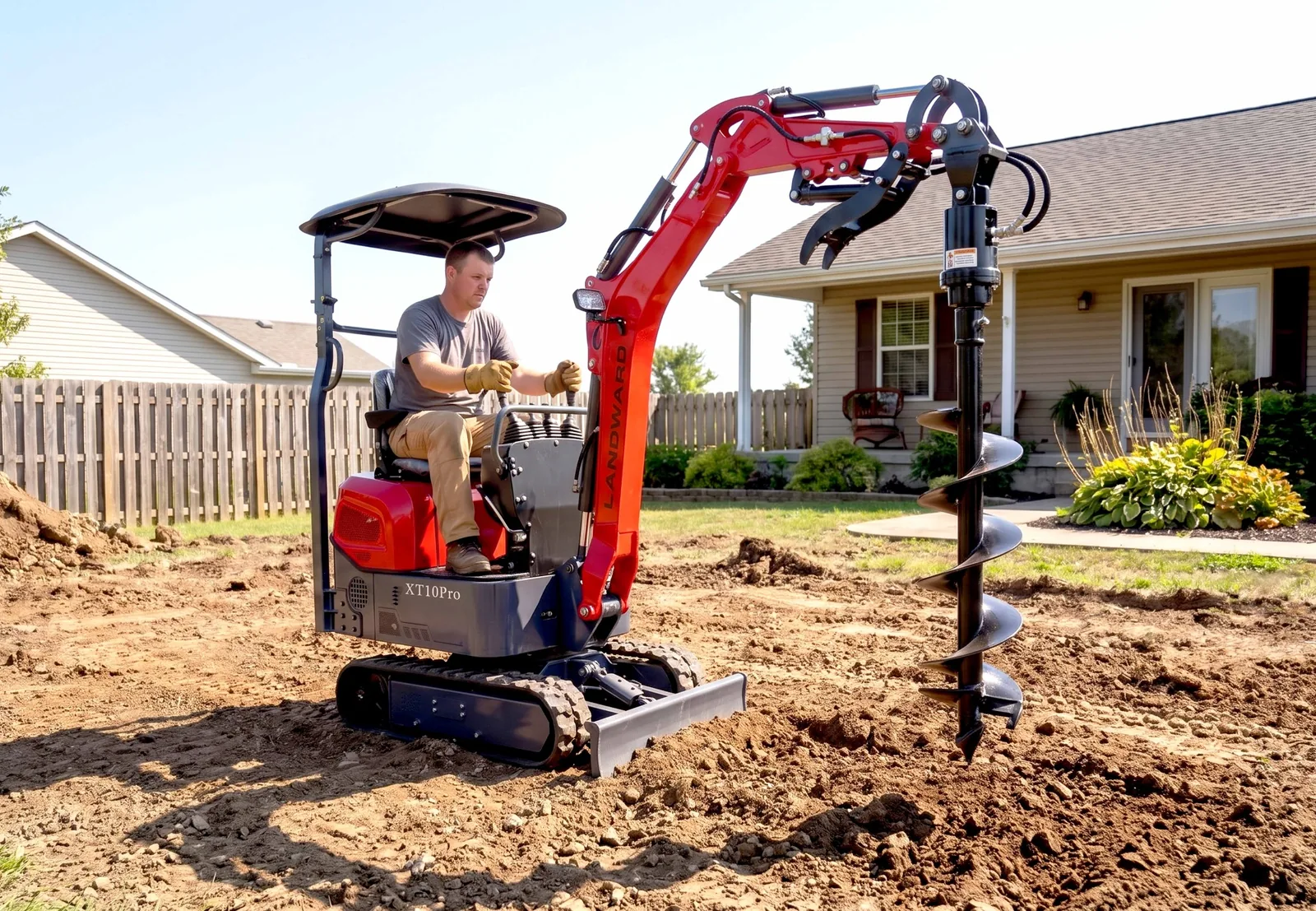
BUILD A PRACTICAL EXCAVATOR PACKAGE
The right attachment can expand excavator versatility, but safe and productive performance depends on a properly matched machine-and-tool combination.
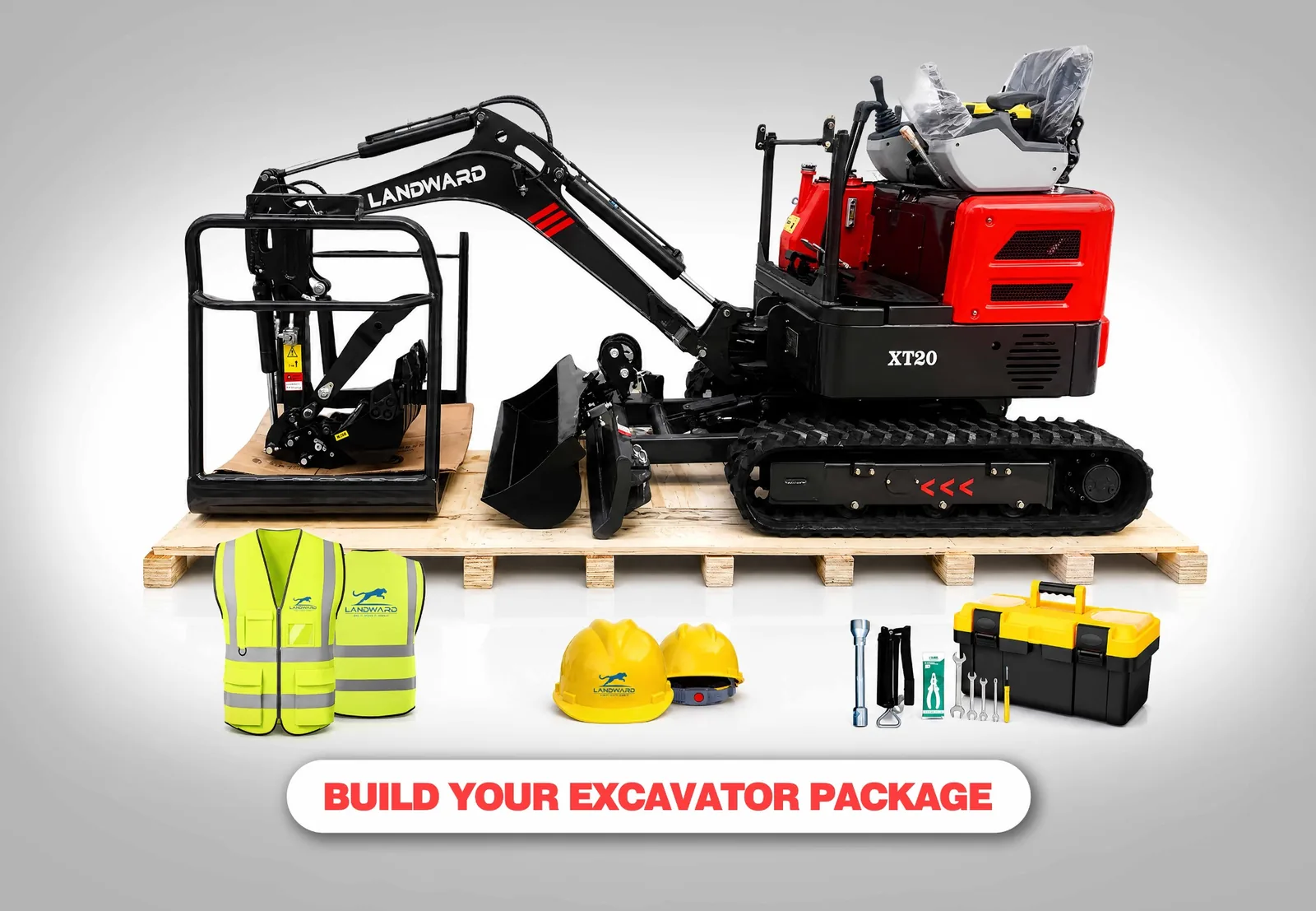
LANDWARD offers Mini Excavators from 0.6–6 tons, Medium Excavators from 6–26 tons, Heavy Excavators over 26 tons, and excavator attachment options. Tell us your machine model, material, task, hydraulic requirements, and connection dimensions so the appropriate configuration can be confirmed before ordering.