
Excavator Spare Parts: What to Confirm Before Importing
Excavator spare parts should be part of the purchasing discussion, not an issue first addressed after a machine stops working. Importers need a reliable way to identify components, obtain maintenance information, and clarify the support process. The aim is not to purchase every possible replacement. It is to prepare for routine ownership and reduce avoidable delays caused by missing information or incorrectly matched parts.
How are the correct parts identified?
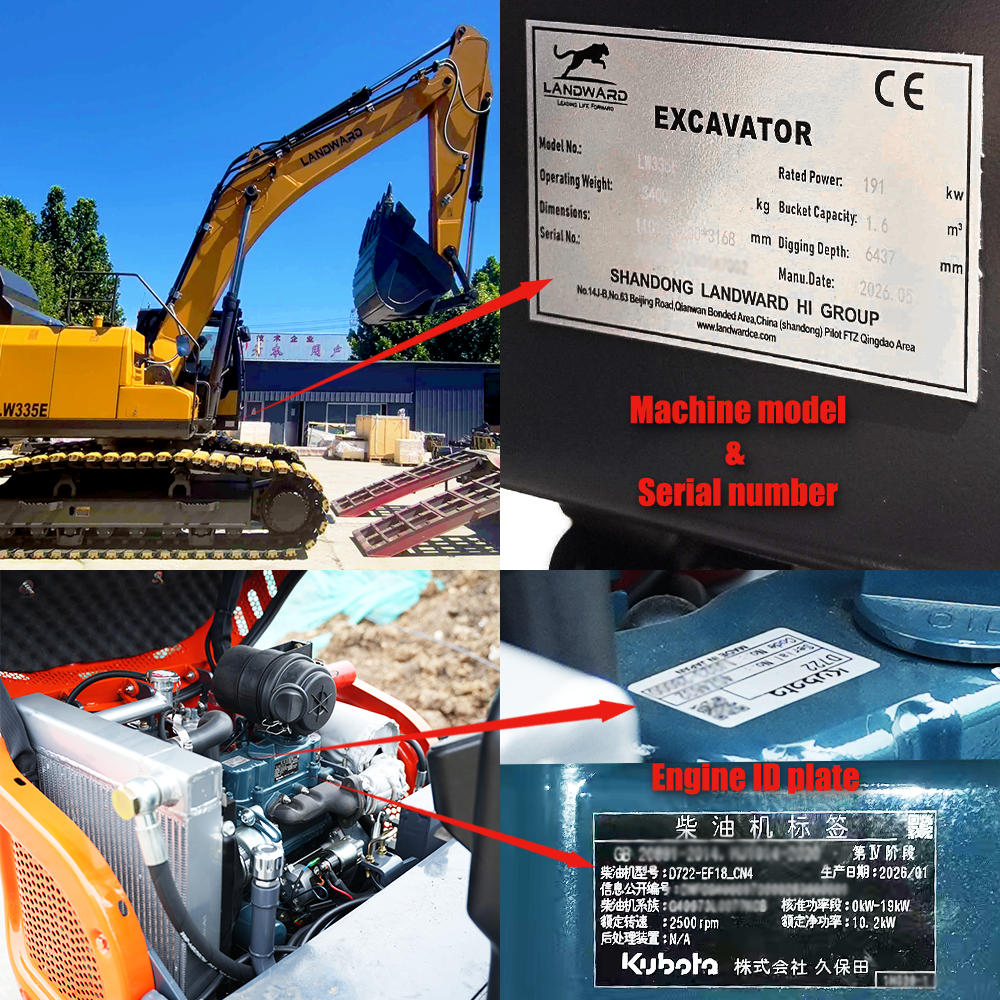
Begin with the machine model and serial number. Where relevant, record the engine identification and component labels as well. Request the applicable parts catalog, diagrams, and reference numbers. A model name alone may not describe every configuration or production revision, so ask how changes are reflected in the documentation.
When ordering a replacement, provide the identifying information requested by the supplier. Photographs can help explain the location and visible markings, but appearance alone does not establish compatibility. Confirm any proposed alternative or superseded part number before purchase, especially where connections or operating specifications may differ.
Which items deserve advance planning?
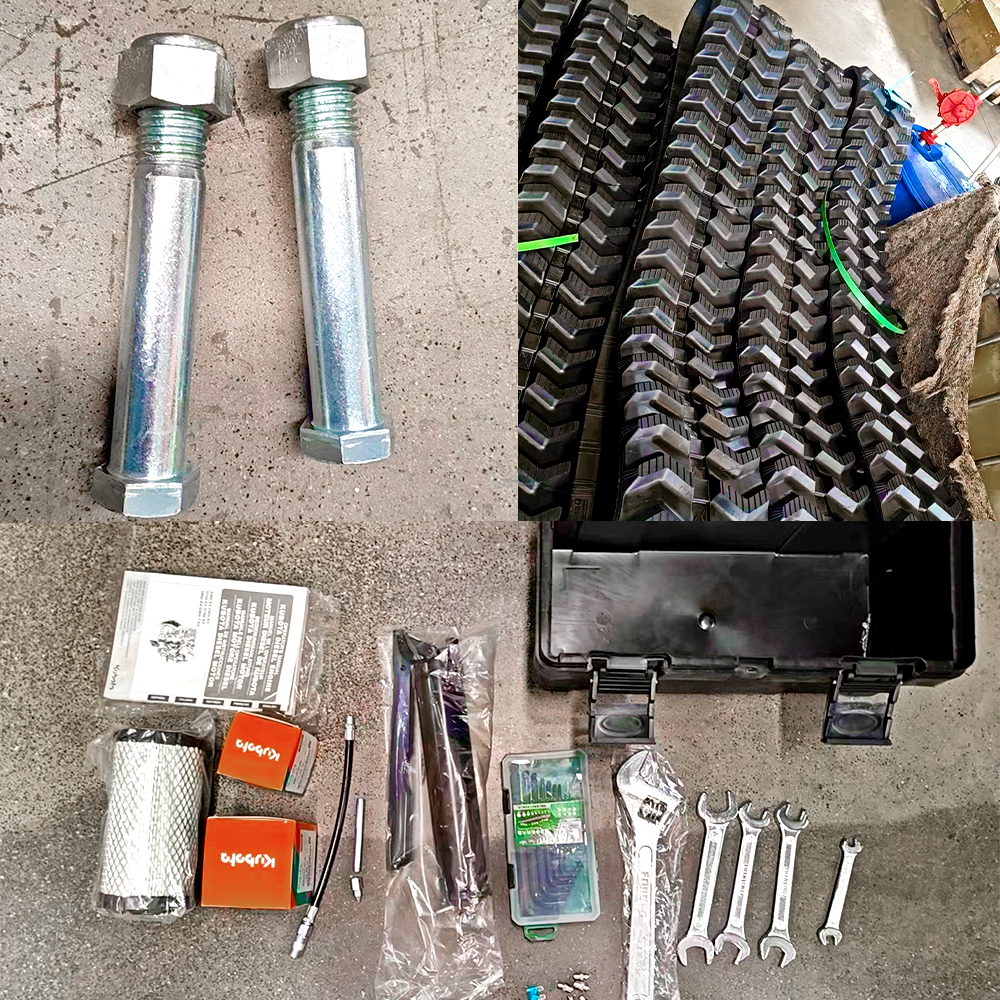
Separate routine service items, application-related wear parts, and components that require diagnosis before replacement. Filters, seals, bucket teeth, and other items should be considered only where applicable to the selected machine. The manufacturer’s maintenance schedule and parts information should guide quantities and replacement requirements.
A machine working regularly in abrasive material may have different wear priorities from one used occasionally for landscaping. Review expected operating hours, ground conditions, and access to suitable local supplies. Avoid treating a generic starter kit as proof that all future maintenance needs are covered, or that every included item fits.
What support terms need written confirmation?
Ask who receives technical enquiries, what information is needed for diagnosis, and how replacement requests are processed. Separate warranty coverage from ordinary parts purchasing. Clarify the applicable exclusions and responsibility for labor, freight, and local repair arrangements rather than assuming these are included with replacement components.
Request realistic availability information for the proposed parts package. Stock at a factory does not automatically mean stock near the customer. Confirm shipping arrangements for the destination and ask how unavailable items are handled. Do not make commitments to your own customers before the relevant support responsibilities are agreed.
Which documents help after delivery?
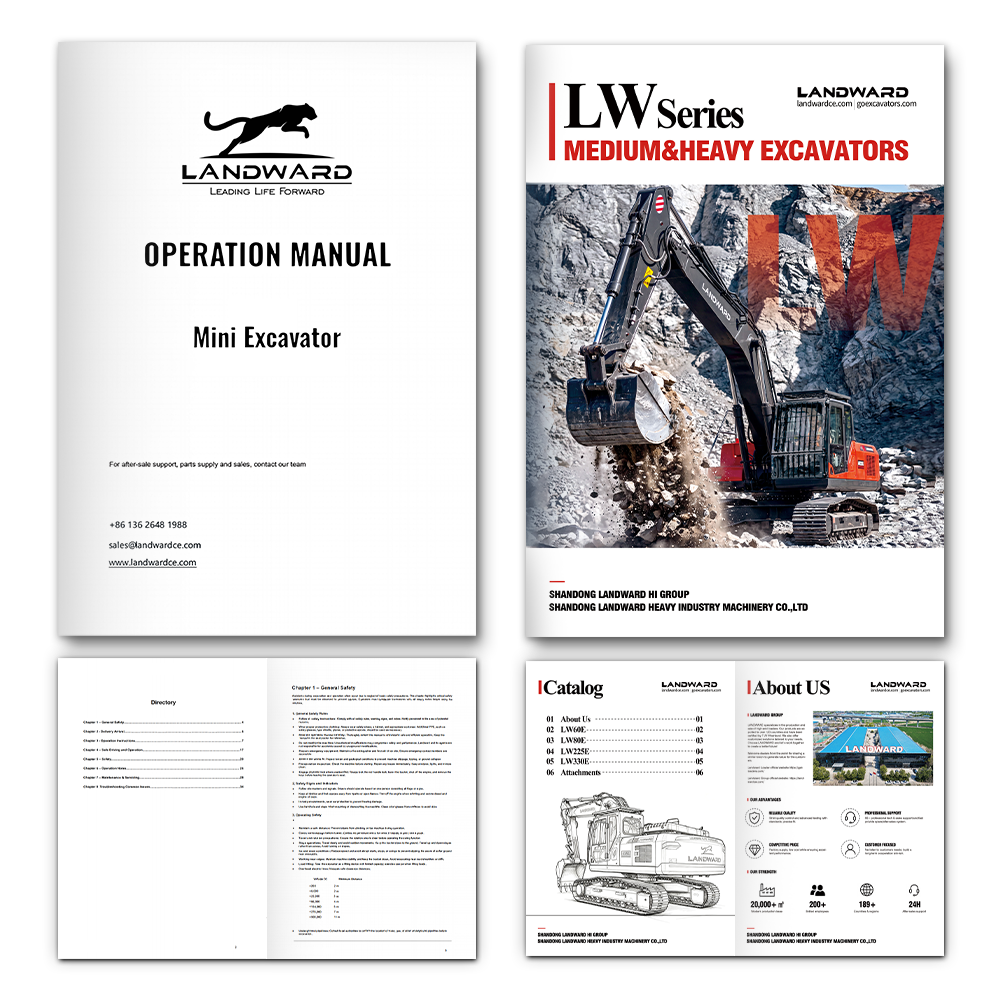
Keep operating instructions, maintenance schedules, parts references, and the confirmed machine configuration together. Record service work and preserve identification labels. These records help the owner describe a problem accurately and help the supplier determine which excavator parts or technical information are relevant.
A practical enquiry should include the serial number, operating hours, symptoms, recent maintenance, and requested photographs. Let qualified personnel assess faults and follow the manufacturer’s safety instructions before inspection or repair. Ordering an expensive component solely because a similar machine had the same symptom can waste money and leave the original fault unresolved.
Prepare support before the machine arrives
Plan excavator spare parts around accurate identification, expected use, and clearly agreed responsibilities. LANDWARD’s dealer information includes parts planning and technical and after-sales coordination for its excavator range. Buyers can use that discussion to confirm relevant documents, service items, and support arrangements for their selected models. A documented plan is more useful than a broad promise that parts will always be available.