Mini Excavator Distributor Checklist: Questions to Ask a Manufacturer
A mini excavator distributor needs more than an attractive purchase price. A workable manufacturer relationship must connect suitable machines with local customers, clear commercial responsibilities, and practical support. Before discussing a large product range, establish who you will serve and how your business will sell, explain, and support the equipment. That foundation makes a distributor assessment more useful than comparing brochures or counting available models.
Which customers will you serve first?
Define a specific starting market. Landscaping contractors, utility businesses, and general construction firms may have different access restrictions, attachment needs, and purchasing priorities. Review enquiries from your existing customer base and identify the tasks that appear repeatedly. Avoid building an initial range around exceptional projects that rarely occur.
Then ask the manufacturer which models and configurations address those tasks. Compare more than operating weight: dimensions, working range, attachment compatibility, and transport requirements all matter. An excavator dealer should be able to explain why a proposed model fits a customer’s application and where its limitations begin.
What evidence supports the product offer?
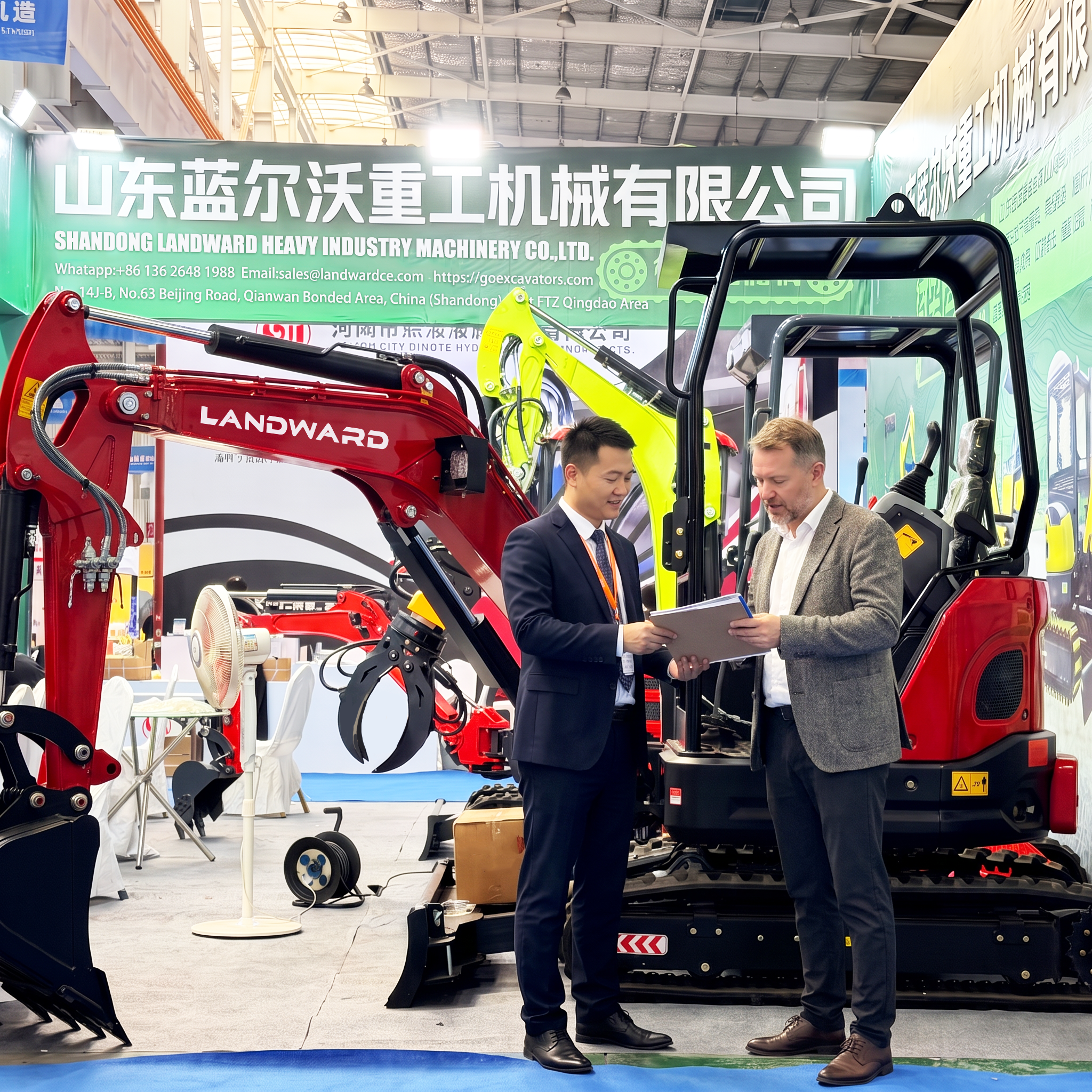
Request specifications, operating information, and documents relevant to the intended destination. Confirm that each document applies to the actual model and configuration under discussion. Brand logos, a factory photograph, or a general certificate should not replace model-specific checks. Obtain qualified local advice where market requirements need interpretation.
Ask how product changes are communicated and how approved sales information is maintained. If evaluating a demonstration machine, agree on representative tasks and what will be observed. Keep assessment records factual. A brief demonstration can inform selection, but it does not establish every aspect of long-term durability or support.
Who handles each stage of support?
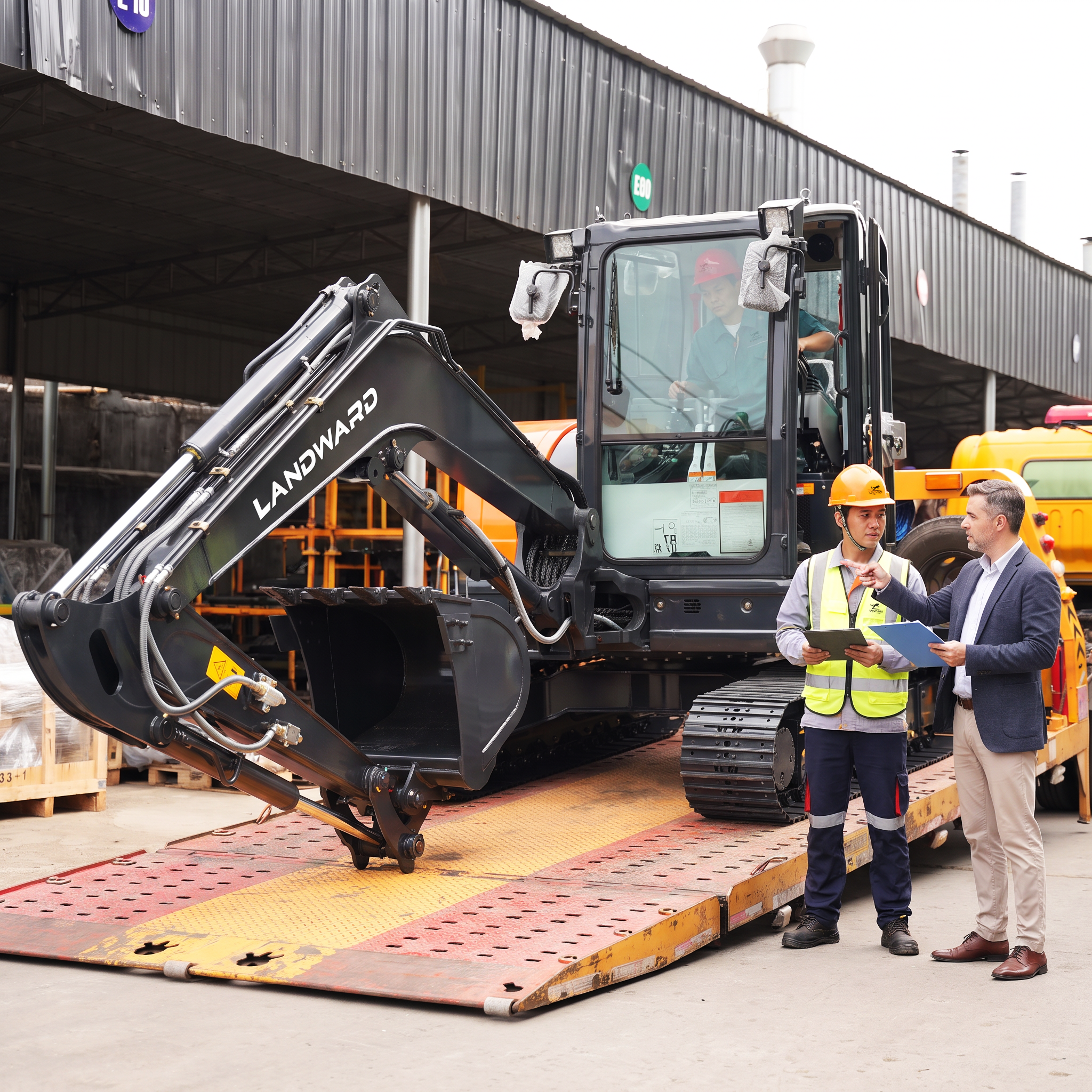
Map the customer journey from enquiry to service. Identify who confirms configuration, prepares the machine for handover, explains operation, receives technical questions, and coordinates repairs. Clarify the manufacturer’s contribution and the distributor’s local responsibilities before promising a particular customer experience.
Discuss access to approved product images, specifications, manuals, and training resources. Ask how parts requests and technical cases are documented and escalated. These arrangements should fit your team’s actual capabilities. A business without its own workshop may need an appropriate local service arrangement rather than advertising a repair capability it does not have.
Which commercial terms require agreement?
Discuss initial orders, inventory expectations, quotation terms, payment arrangements, branding permissions, and the treatment of customer enquiries. Ask whether territorial arrangements are available and how they are evaluated. Do not assume that becoming a distributor automatically grants exclusivity or protects every future sales opportunity.
Build a cautious first-stage plan around demand evidence, available capital, and service readiness. Define what you will review before expanding: customer feedback, machine suitability, parts enquiries, and sales progress. A manageable product range gives both parties an opportunity to identify practical issues before increasing commitments or adding further models.
Build the partnership around delivery capability
Evaluate a mini excavator distributor opportunity by the promises both parties can realistically fulfill. LANDWARD invites qualified partners to discuss excavator products, configurations, sales materials, parts planning, and after-sales coordination. Its mini, medium, and heavy categories allow a focused entry range and potential later expansion. Share your market, customer base, and support capabilities with LANDWARD; cooperation terms and any territorial arrangements require individual review and agreement.